How Does Cancer Form
Cells in our bodies replicate through cell division trillions of times every day. Sometimes these cell divisions result in replication errors. When this happens, some of the replicated genes may not be expressed exactly in the replicated cell as they were in the original. When this occurs, it is considered a cell mutation.
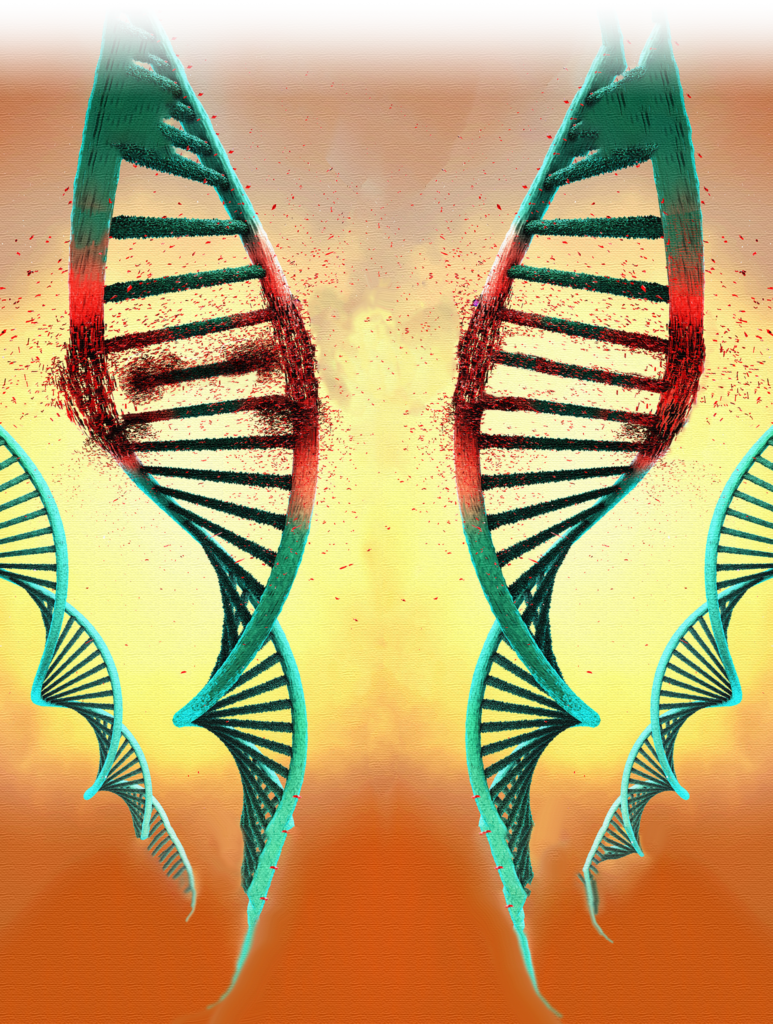
Sometimes these cell mutations do nothing serious. Other times a cell mutation can affect the intended performance of the cell. When serious errors occur, the human body’s immune system has the ability to track these ‘defective’ cells down and eliminate them. But that doesn’t happen instantaneously. Depending on the genetic errors produced, the cell could replicate itself faster than normal before the body has the opportunity to destroy it. This rapid replication (cell division) can lead to further genetic errors (mutations) that can further affect cell growth, life-cycle, intended role and location in the body, and even enable the cancer cells to hide from your body’s own immune system.
A tumor suppressor gene in each cell encodes a protein that acts to regulate cell division, keeping it in check. When a tumor suppressor gene no longer works due to cell division replication errors (mutations), the protein it would normally encode is either not produced or does not function properly. As a result, uncontrolled cell division may occur. This is what is called cancer.
Cell genetic mutations are a normal part of any organism. Mutations are how lifeforms adapt and evolve to thrive in their surroundings. Mutations that benefit the species are propogated forward through reproduction. Mutations that are harmful to the species die with their hosts. That’s not to say that cancer is a normal inevitability in the human species. However, cancer diagnoses have been on the rise. From the period 2010 to 2019 cancer diagnoses rose by 26.2% in the U.S. alone. Top cancer researchers attribute the rise in cancer diagnoses to increasingly poor air and water quality including chemical polution, increased stress of living, highly processed foods, obesity and sedintary lifesytles, abuse of alcohol and tobacco, and even simple over-exposure to UV rays from sunlight.