
Treatment Options
Since cancer often begins from a single genetically mutated cell, its treatment protocol often includes:
- Chemotherapy to reduce the overall presence of cancer.
- Immunotherapy to help your own immune system fight cancer.
- Surgical excision of any of the cancerous affected organs and tissue.
- Radiotherapy to irradicate any remaining cancer cells.
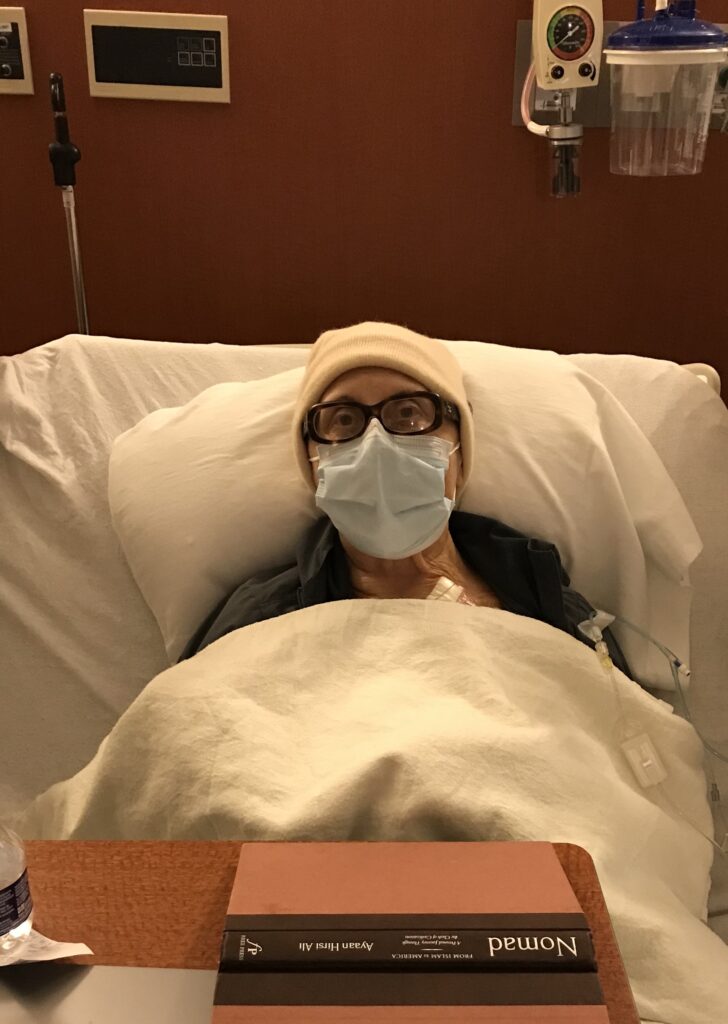
Chemotherapy involves the intravenous administering of harsh, caustic, and toxic chemicals directly into the patient’s bloodstream. These chemicals are designed to kill cancer cells and/or prevent cancer cells from replicating. However, they do not effect their curative properties without collateral damage to normal healthy cells as well. They also bring a whole slew of negative side-effects with their use, such as hair loss, weight loss, joint swelling, nausea, and depression.
Immunotherapy are specialized drugs also administered intravenously that are designed to help one’s own immune system detect and destroy cancer cells. This is a normal immune system function, but cancer cells can mutated into a form that presents a ‘healthy’ cell protein expression (PD-1/PD-L1) to hide from T-Cells (the immune systems ‘hitmen’) in the body’s immune system. These protein expressions tell the T-Cell that this is a normal healthy cell, even if it’s not. Immunotherapy teaches one’s immune system to ignore the PD-1/PD-L1 protein expression that cancer cells hide behind. Unfortunately, this immunotherapy also prevents authentically normal and healthy cells from being recognized, causing collateral damage to healthy tissue.
Surgical excision removes all cancerous tissue, as well as a substantial amount of surrounding tissue in hopes of removing every trace of cancer cells in the surgical area. In many cases, this includes surrounding lymph nodes and other glands that may have been infiltrated, even if no present evidence of that remains.
Radiotherapy (Radiation Therapy) performs a wide-sweep with high-intensity Xrays or Proton beams focused on the areas where cancer infiltration was previously found. The goal is to irradicate any cancer cells possibly remaining. It is of paramount importance that all cancer is erradicated in this final sweep, since cancer can recur from a single cancerous cell. As with the other treatment measures, radiotherapy isn’t without its collateral damage. Healthy tissue around the focused areas will unfortunately be destroyed as well in the process.
Some cancers have estrogen or progesterone receptors, or exhibit a specific protein called HER2 that drive their growth. Specific hormone-therapy treatments can be made available to patients with these types of cancers.