
Why Does Cancer Happen
There are several possible causes of cancer. Viral or bacterial infections can affect normal cell reproduction (division) introducing genetic replication errors that lead to cancer. Exposure to radiation (such as Xrays or CT Scans) can damage cell DNA that can result in future genetic replication errors. Abuse of tobacco, alcohol, or even highly processed foods can negatively affect cell genetic integrity once these carcinogens have entered the bloodstream. And finally, being obese and sedentary can promote the development of cancer, since cancer’s rapid cell divisions require a lot of energy to sustain, which being obese and sedentary insure will be available.
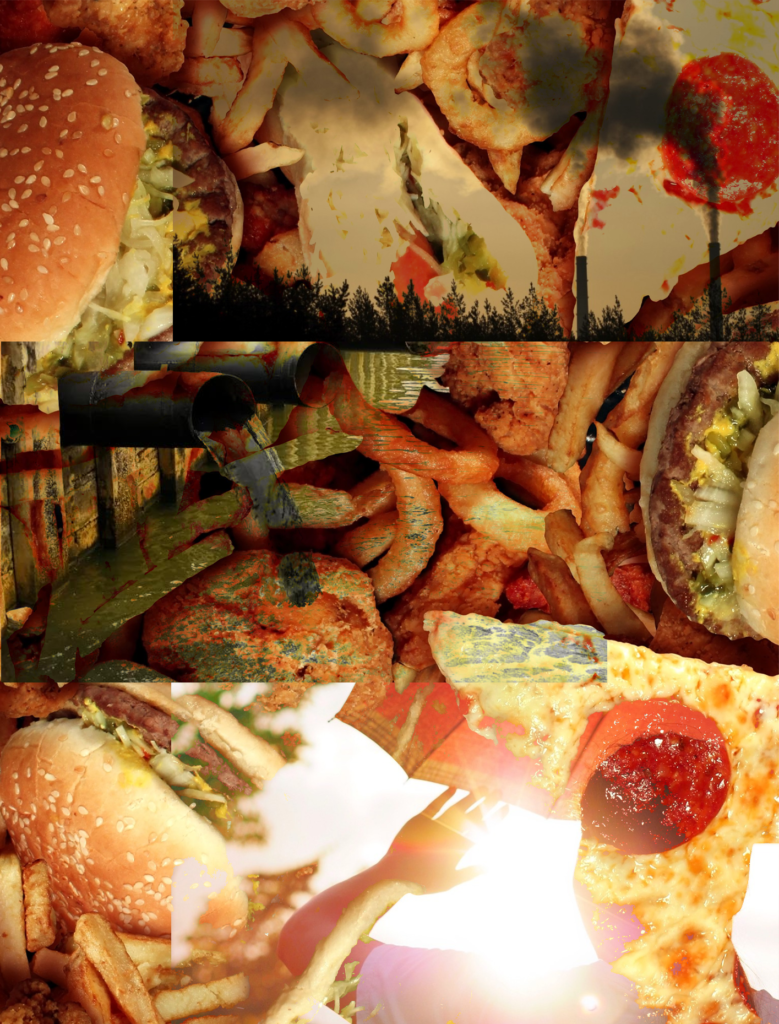
One’s environment can also contribute to the development of cancer. Air pollution, water pollution, chemical food additives and preservatives, and even solar radiation can all lead to a breakdown of cell genetic integrity that eventually leads to cancer. In some cases, hormone therapy can encourage cancer.
There can even be a genetically inherited perpencity to developing cancer. Some defective tumor suppressor genes (BRCA1 and BRCA2) could be passed down from parent to child. If a mutation in the BRCA1 or BRCA2 genes is passed down, you may have a greater risk of developing cancer. A genetic test can determine if you have inherited defective tumor suppressor genes.
Finally, any psychological or physiological trauma that might encourage cellular growth (such as to heal a wound or broken bone) might increase the chances of replication errors that could lead to cancer. Basically, any promotion for rapid cell growth increases the opportunity for genetic mutations.
Approximately more than 18 million people in the U.S. alone are currently living with cancer. Cancer can affect anyone, but those most a risk for developing cancer are typically age 60 and over, slightly more men than women, and those with African-American heritage.
Truth is in today’s environmental state of air and water pollution, chemical food additives, increased work and life stress, and higher UV levels in simple sunshine, if you live long enough, statistically cancer will likely find a way into your life.